Discover the Benefits of Aquaponics for Green Living

Harnessing Nature's Synergy: The Amazing Benefits of Aquaponics for Green Living

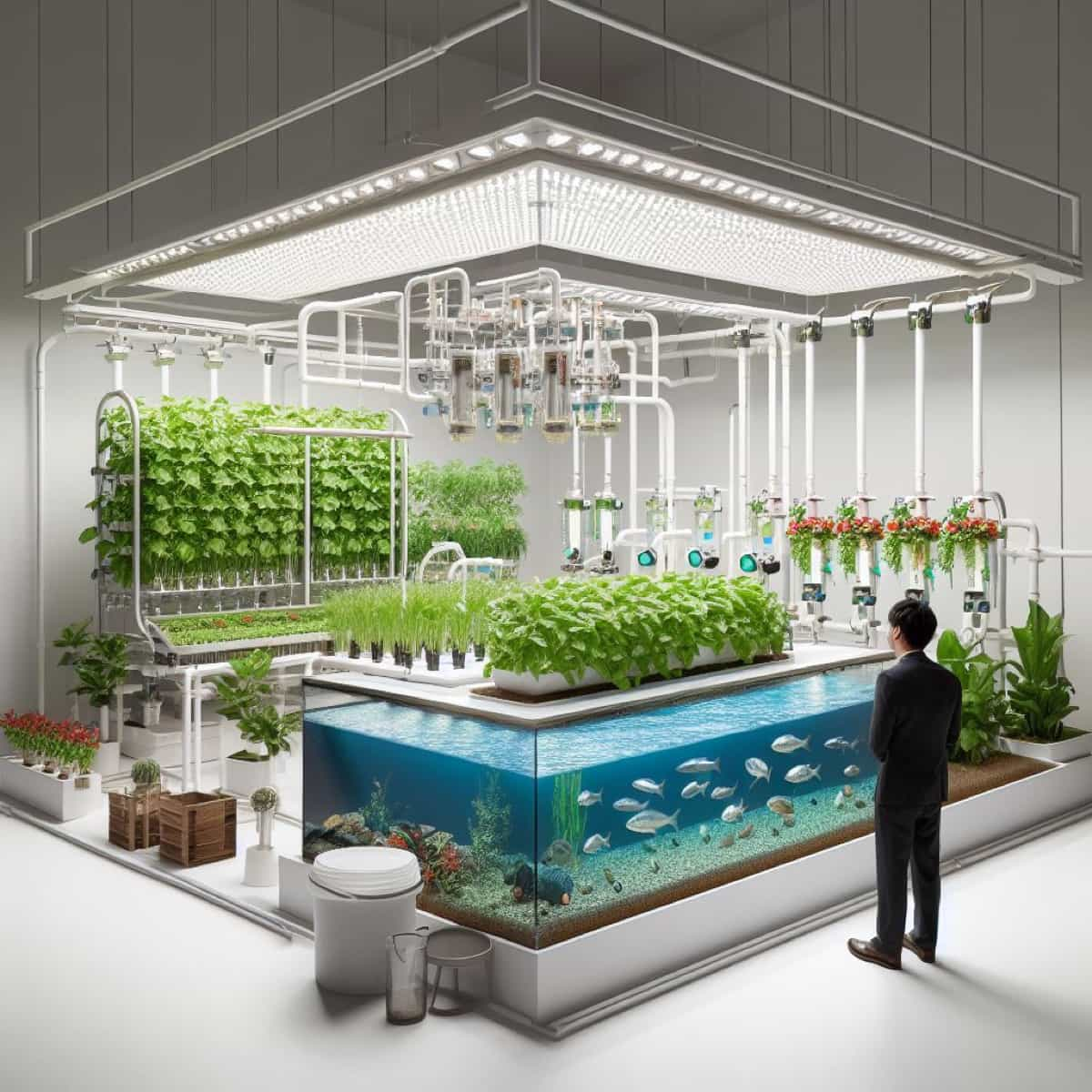
In a world increasingly focused on sustainable practices, aquaponics emerges as a shining example of ecological ingenuity. This remarkable system cleverly combines aquaculture (raising fish) and hydroponics (growing plants without soil) in a closed-loop ecosystem, offering a multitude of benefits for both the environment and the individual. Imagine a system where fish waste nourishes plants, and plants, in turn, filter the water for the fish – a harmonious cycle mirroring nature's own efficiency. This article explores the compelling reasons why aquaponics represents a significant step towards greener living.

Environmental Sustainability: A Closed-Loop Revolution

Aquaponics significantly reduces the environmental impact of traditional farming methods. Water conservation is a key advantage; the recirculating system dramatically minimizes water usage compared to conventional agriculture, which often relies on vast amounts of water for irrigation. Furthermore, aquaponics drastically cuts down on the need for chemical fertilizers and pesticides. Fish waste provides the plants with natural nutrients, eliminating the reliance on synthetic inputs that can contaminate soil and water bodies. This eliminates the runoff of harmful chemicals into our ecosystems, contributing to cleaner rivers, lakes, and groundwater.

Reduced Carbon Footprint

The reduced transportation needs associated with aquaponics also contribute to a lower carbon footprint. Because both fish and plants are grown in the same location, the need for long-distance transportation of food is eliminated or significantly reduced. This minimizes the greenhouse gas emissions associated with trucking and shipping, making aquaponics a more environmentally friendly alternative to traditional farming.

Food Security and Self-Sufficiency: Growing Your Own Food

Aquaponics empowers individuals and communities to achieve a higher level of food security. By growing your own fish and vegetables, you gain control over the quality and source of your food. You know exactly what goes into your food, ensuring freshness and minimizing exposure to harmful chemicals or additives. This is particularly valuable in areas with limited access to fresh produce or reliable food sources.

Increased Food Production in Smaller Spaces

Aquaponics is remarkably efficient in terms of space utilization. Unlike traditional farming, which often requires expansive land areas, aquaponics can be implemented in smaller spaces, including backyards, rooftops, and even indoor settings. This makes it an ideal solution for urban farming and for those with limited land availability. You can cultivate a substantial amount of food within a relatively compact footprint.

Economic Benefits: A Sustainable Investment

While initial setup costs might seem higher than conventional gardening, aquaponics offers significant long-term economic benefits. The system's efficient use of resources translates into lower operating costs compared to traditional methods. Moreover, the simultaneous production of fish and vegetables provides a dual income stream, potentially generating a higher return on investment. The reduced need for fertilizers and pesticides also contributes to cost savings.

Creating Sustainable Livelihoods

Aquaponics has the potential to create sustainable livelihoods, especially in developing countries. By empowering communities to produce their own food and generate income, aquaponics can help combat food insecurity and stimulate local economies. This creates jobs and promotes self-sufficiency, offering a pathway out of poverty for many.

Conclusion: Embracing a Greener Future

Aquaponics offers a powerful pathway towards a more sustainable and resilient future. Its benefits extend beyond simply producing food; it represents a paradigm shift in how we interact with our environment. By embracing this innovative system, we can contribute to cleaner ecosystems, enhance food security, boost local economies, and ultimately create a healthier planet for generations to come. Consider the possibilities – a greener future, starting in your own backyard.

Share:

Simple Steps to Launch Your Home Aquaponics Project

Dive In: A Beginner's Guide to Launching Your Home Aquaponics System

Dreaming of fresh, homegrown produce without the endless weeding and watering? Aquaponics offers a sustainable and rewarding solution, combining aquaculture (raising fish) with hydroponics (growing plants without soil). This symbiotic relationship creates a self-sustaining ecosystem, minimizing waste and maximizing yields. Ready to embark on this exciting journey? Follow these simple steps to launch your own home aquaponics project and start enjoying the fruits (and vegetables!) of your labor.

1. Planning Your Aquaponic System: Laying the Foundation for Success

Before you even think about purchasing fish or plants, careful planning is crucial. Consider the space you have available and the type of system that best suits your needs. A small, beginner-friendly system might be a simple media bed setup, where your plants grow in gravel or clay pebbles above a fish tank. Larger systems can incorporate deep water culture (DWC) or even more complex designs. Research different system types thoroughly. Determine the size and scale of your system based on your available space and ambition.

Choosing Your Fish and Plants

The next step involves selecting your aquatic companions and your plant companions! Beginners often start with hardy fish like tilapia or goldfish, known for their resilience. For plants, choose fast-growing, easy-to-manage varieties like lettuce, basil, or kale. Match your fish and plant choices to your system's size and capacity. Overstocking your tank can lead to problems, so research the growth rate and space requirements for both your fish and plants.

2. Setting Up Your System: Assembling the Core Components

With your plan in place, gather your materials! This includes a fish tank (consider size and material carefully), a grow bed (media bed, DWC, etc.), a pump to circulate water, air stones for aeration, and plumbing to connect the system. You'll also need growing media (clay pebbles, gravel), nutrients (fish waste provides the primary nutrients, but supplementary nutrients may be needed), and, of course, your fish and plants. Thoroughly research the components and materials before purchasing to ensure compatibility.

Connecting the Components

This is where the magic happens! Carefully connect your fish tank to your grow bed via the pump, ensuring proper water flow and level. Add your growing media to the grow bed and securely install your air stones in the fish tank. Remember to carefully seal any connections to prevent leaks, and test the entire system for leaks before introducing fish or plants. A small leak can quickly become a big problem.

3. Launching Your Ecosystem: Introducing Life to Your System

Before introducing your fish, allow the system to cycle for a few weeks. This crucial step allows beneficial bacteria to establish themselves, breaking down fish waste into less harmful nutrients for your plants. Monitor water parameters (ammonia, nitrite, nitrate levels) regularly using a test kit. Once your levels are stable, carefully introduce your fish. Start with a small number of fish, allowing them to adapt to their new environment.

Planting and Monitoring

Once your system is cycled and your fish are thriving, it's time to plant! Gently place your chosen seedlings or cuttings in the grow bed, ensuring they receive adequate sunlight. Regularly monitor water parameters, fish health, and plant growth. Adjust your system as needed based on your observations. This might involve making adjustments to the water flow, nutrient levels, or even adding more beneficial bacteria.

4. Ongoing Maintenance and Harvesting: The Rewards of Your Labor

Congratulations! You've successfully launched your home aquaponics system. Now comes the rewarding part: ongoing maintenance and harvesting your delicious, homegrown produce. Regularly clean your system, remove excess algae, and monitor water quality. Feed your fish according to their needs and harvest your plants as they mature. Maintaining your system is crucial for its long-term success and health. Enjoy the fruits (and vegetables!) of your efforts!

With careful planning and consistent attention, your home aquaponics system will thrive, providing you with a bountiful harvest and a fascinating glimpse into the beauty of a self-sustaining ecosystem.

Share:

Efficient Aquaponics Systems for Home Use

Efficient Aquaponics Systems for Home Use: Grow Your Own Food, Effortlessly!

Hey there, fellow food lovers! So you're thinking about diving into the wonderful world of aquaponics? Fantastic choice! It's an amazing way to grow your own fresh produce while minimizing your environmental impact. But with so many different systems out there, it can feel a little overwhelming, right? Don't worry, I'm here to break it down and help you choose the best efficient aquaponics system for your home.

Understanding the Basics: What is Aquaponics?

Before we jump into the different systems, let's quickly recap what aquaponics actually is. It's a symbiotic relationship between aquaculture (raising fish) and hydroponics (growing plants without soil). The fish waste provides natural fertilizer for your plants, and the plants, in turn, filter the water for the fish, creating a closed-loop system that's remarkably efficient and sustainable. It's basically nature's built-in recycling program for your garden!

Choosing the Right System for Your Home: Size Matters!

The size and type of aquaponics system you choose will depend on a few key factors: the space you have available, the number of fish you want to raise, and the amount of produce you want to grow. Let's explore some popular options:

Media Bed Systems: The Classic Choice

These systems are probably the most common type you'll encounter. They utilize a bed filled with gravel, clay pebbles, or other inert media where the fish tank water is circulated. Beneficial bacteria colonize this media, converting fish waste into plant-available nutrients. They're relatively easy to maintain and are great for beginners. However, they tend to take up more space than other systems.

Pros: Simple to build and maintain, robust, good for beginners.

Cons: Can be space-consuming, requires a larger water volume.

Deep Water Culture (DWC) Systems: Fast-Growing Plants

In DWC systems, plant roots hang directly in the nutrient-rich water. This method promotes incredibly fast plant growth because the roots have constant access to nutrients and oxygen. They're ideal for leafy greens and fast-maturing crops. However, they require more precise water management to avoid oxygen depletion and root rot.

Pros: Rapid plant growth, space-efficient (relative to media beds), easy to monitor.

Cons: Requires more careful monitoring of water parameters, susceptible to root rot if not managed properly, not ideal for all plant types.

Nutrient Film Technique (NFT) Systems: Efficient Water Use

NFT systems are incredibly efficient in terms of water usage. A thin film of nutrient-rich water is constantly circulated over the plant roots. This provides excellent oxygenation and nutrient delivery. They are ideal for plants with shallow root systems. However, they're a bit more complex to set up and maintain than media bed systems.

Pros: High yields, minimal water usage, excellent oxygenation.

Cons: More complex to build and maintain, requires precise water flow, prone to clogging if not properly maintained.

Vertical Aquaponics: Space-Saving Solution

If you're short on space, vertical aquaponics might be your best friend! These systems stack grow beds vertically, maximizing growing area in a small footprint. They can be a bit more challenging to construct, but the space-saving benefits are significant.

Pros: Excellent for small spaces, maximizes growing area, aesthetically pleasing.

Cons: Can be more complex to build, requires careful planning for water distribution.

Essential Components for Your Aquaponics System

Regardless of the system you choose, you'll need a few essential components:

  • Fish tank: Choose a tank that's appropriately sized for your chosen fish and plant load.
  • Grow bed or DWC setup: This will depend on the type of system you've chosen.
  • Pump: To circulate water between the fish tank and the grow bed.
  • Air pump (optional but recommended): To provide oxygen to the fish.
  • Air stones: To distribute oxygen evenly in the fish tank.
  • Filter (optional, often integrated): To help remove solid waste from the water.
  • Plants: Choose plants that are suited to aquaponics.
  • Fish: Choose a hardy species that is compatible with your system size.
  • Testing kit: To regularly monitor water parameters (pH, ammonia, nitrite, nitrate).

Tips for Success: Maintaining Your Aquaponic Paradise

Once you've set up your system, regular maintenance is key to its success. This includes:

  • Regular water testing: Monitor your water parameters at least once a week.
  • Cleaning: Regularly remove any excess debris from the system.
  • Feeding your fish: Feed your fish appropriately based on their size and species.
  • Harvesting your plants: Regularly harvest your plants to keep them from overcrowding.
  • Adjusting water levels: Ensure that the water levels are consistent.

Choosing the Right Fish and Plants

The fish and plants you choose will significantly impact your system's success. Hardy fish like tilapia, goldfish, or koi are good choices for beginners. For plants, opt for leafy greens, herbs, and vegetables that thrive in a slightly acidic environment.

Commonly Asked Questions

Q: How much does it cost to set up an aquaponics system?

A: The cost varies significantly depending on the size and complexity of the system you choose. You can build a small system for a few hundred dollars, or a larger, more sophisticated system can cost several thousand.

Q: How much time does it take to maintain an aquaponics system?

A: The time commitment varies depending on the system size and complexity. A small system might only require 15-30 minutes of maintenance per week, while a larger system could require more.

Q: What are the common problems encountered in aquaponics?

A: Common problems include imbalanced water parameters (pH, ammonia, nitrite, nitrate), algae growth, and pest infestations. Regular monitoring and maintenance are essential to prevent these issues.

Q: Is aquaponics suitable for beginners?

A: Yes, absolutely! Starting with a smaller, simpler system is a great way to get your feet wet and learn the basics. Plenty of resources are available online and in print to guide you through the process.

Q: Can I use tap water for my aquaponics system?

A: It's generally recommended to avoid tap water due to chlorine and chloramine, which are harmful to fish. Let your tap water sit out for 24 hours, to allow chlorine to evaporate or use a dechlorinator.

I hope this comprehensive guide has helped you understand the possibilities of efficient home aquaponics! Remember, it's a journey, not a race, so start small, learn as you go, and enjoy the incredibly rewarding experience of growing your own food!

Share:

Dual-Purpose Aquaponics Grow Fish And Veggies Together

Dual-Purpose Aquaponics: Grow Fish AND Veggies Together!

Hey there, fellow gardening enthusiasts! Ever dreamed of having a self-sustaining food system right in your backyard? Something that's both productive and, let's be honest, kind of cool? Then you've come to the right place. We're diving deep into the fascinating world of aquaponics – a symbiotic relationship between aquaculture (raising fish) and hydroponics (growing plants without soil). It's basically magic, but with less glitter and more delicious tomatoes.

What is Aquaponics, Anyway?

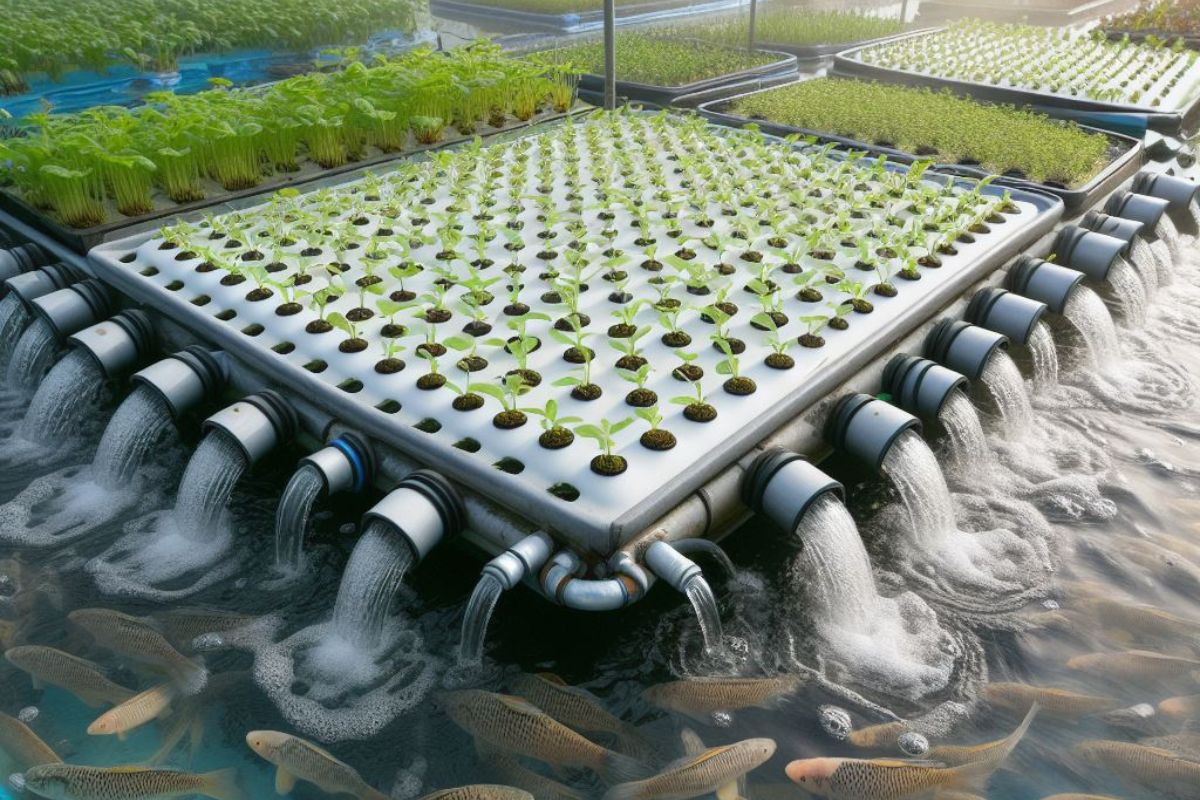
Imagine this: you've got your happy fish swimming away in a tank. Their waste? Instead of polluting the water, it becomes delicious plant food! Yep, that's the core of aquaponics. The fish waste, rich in ammonia, gets converted by beneficial bacteria into nitrates – the perfect nutrient cocktail for your plants. The plants, in turn, filter the water, keeping it clean and healthy for your fish. It's a beautiful, self-regulating ecosystem that's both environmentally friendly and super efficient.

The Amazing Bacteria Crew

We can't talk about aquaponics without giving a shout-out to the unsung heroes: the nitrifying bacteria! These tiny but mighty microbes are the backbone of the whole system. There are two main types: Nitrosomonas, which converts ammonia into nitrite, and Nitrobacter, which transforms nitrite into nitrate. These guys are working around the clock, ensuring a healthy balance in your system. Think of them as the cleanup crew and the chefs all rolled into one!

Types of Aquaponics Systems

There are several different aquaponics systems out there, each with its own pros and cons. Choosing the right one depends on your space, budget, and experience level.

Media Bed Systems

These are probably the most common type of aquaponics system, especially for beginners. They involve a bed filled with gravel or other inert media where the plants grow. The nutrient-rich water from the fish tank is pumped into the media bed, allowing the plants to absorb the nutrients. This system is relatively low-maintenance and forgiving, making it a great starting point.

Deep Water Culture (DWC) Systems

In DWC systems, the plant roots hang directly in the nutrient-rich water. The water is constantly aerated to ensure the roots get enough oxygen. This system is great for fast-growing leafy greens and herbs, but it can be more susceptible to problems if something goes wrong with the water quality.

Nutrient Film Technique (NFT) Systems

NFT systems are a bit more advanced. They involve a thin film of nutrient-rich water constantly flowing over the plant roots. This system is super efficient and allows for rapid plant growth, but it requires more precise control of water flow and temperature.

Building Your Own Aquaponics System: A Step-by-Step Guide (Simplified!)

Don't get intimidated! Building a basic aquaponics system is easier than you might think. Here's a simplified version:

  1. Choose your system: Start with a media bed system for easier maintenance.
  2. Gather your supplies: You'll need a fish tank, a grow bed, a pump, tubing, gravel or other media, plants, and fish (obviously!).
  3. Set up the system: Connect the fish tank to the grow bed with tubing and the pump. Fill the grow bed with media.
  4. Add your fish: Start with a relatively small number of fish and gradually increase as the system matures.
  5. Plant your plants: Choose plants known to thrive in aquaponics.
  6. Monitor and adjust: Regularly check water parameters (pH, ammonia, nitrite, nitrate) and adjust as needed.

Choosing Your Fish and Plants

This is where the fun begins! The choice of fish and plants greatly impacts your system's success. Hardy fish like tilapia, catfish, or koi are popular choices for beginners. For plants, leafy greens like lettuce and spinach, herbs like basil and mint, and even some fruiting vegetables like tomatoes and peppers can all do well in aquaponics.

Matching Fish and Plants

Think about the size of your system and the amount of waste your chosen fish will produce when selecting plants. More fish = more nutrients = faster-growing plants, generally.

Troubleshooting Common Aquaponics Issues

Even the best-planned aquaponics systems can run into problems. Here are a few common issues and how to tackle them:

  • High Ammonia/Nitrite: This usually indicates a new system or an imbalance in the bacterial colonies. Increase aeration and consider adding beneficial bacteria.
  • Low Nitrate: This could mean your fish aren't producing enough waste or your plants are growing too slowly. Adjust your fish-to-plant ratio.
  • Algal Blooms: Too much light or too many nutrients can lead to algae growth. Reduce light exposure or adjust your nutrient levels.
  • Fish Disease: Maintain good water quality and quarantine new fish before adding them to the main tank.

Remember, patience and observation are key. Don't be discouraged if you encounter problems – it's all part of the learning process!

The Rewards of Aquaponics

Beyond the sheer satisfaction of growing your own food, aquaponics offers several advantages:

  • Sustainable food production: Reduces reliance on external resources.
  • Water conservation: Uses significantly less water than traditional agriculture.
  • Reduced waste: Fish waste is recycled as plant food.
  • Year-round harvest (depending on climate): Allows for continuous food production in suitable environments.
  • Delicious, fresh food: Nothing beats the taste of homegrown produce!

Commonly Asked Questions

Let's tackle some frequently asked questions about aquaponics:

Q: How much space do I need for an aquaponics system?

A: It depends on the size of the system you want to build. You can start small with a tabletop system or build a larger, more elaborate system if you have the space.

Q: How much does it cost to set up an aquaponics system?

A: Costs vary greatly depending on the size and complexity of the system. You can build a basic system for a few hundred dollars, but more elaborate systems can cost significantly more.

Q: How much maintenance is involved?

A: Maintenance requirements depend on the system type. Media bed systems are generally low-maintenance, requiring regular water testing and occasional cleaning. Other systems might require more frequent attention.

Q: Can I use any type of fish?

A: No, some fish are better suited for aquaponics than others. Hardy, waste-producing fish that tolerate a range of water conditions are ideal.

Q: What happens if my system fails?

A: While striving for a balanced system, things can go wrong. Regular monitoring and understanding the symbiotic relationship are key to correcting imbalances before they become major problems. The most important thing is to carefully monitor the health of both your fish and plants and address any issues promptly.

So there you have it! A deep dive into the wonderful world of aquaponics. It's a rewarding journey, and although it might seem daunting at first, with a little research and patience, you can successfully grow your own delicious food in a sustainable and fascinating way. Happy gardening (and fishing)!

Share:

A Beginner’s Step-by-Step Guide to Home Aquaponics

A Beginner's Step-by-Step Guide to Home Aquaponics

Aquaponics, the symbiotic cultivation of fish and plants, offers a sustainable and rewarding method for home food production. This guide provides a comprehensive, step-by-step approach for beginners, detailing each stage from system design to harvest. While seemingly complex, with careful planning and execution, establishing a thriving home aquaponics system is achievable.

Phase 1: System Design and Planning

The success of your aquaponics system hinges on careful initial planning. This phase involves selecting a system type, determining the appropriate size, and choosing compatible fish and plants.

1.1 Selecting a System Type:

Several aquaponics system types exist, each with its advantages and disadvantages. Beginners often find the following most manageable:

  • Media Bed System: This system utilizes a bed filled with gravel or other inert media to support plant growth. Water from the fish tank is pumped into the media bed, where beneficial bacteria colonize and convert fish waste into plant-available nutrients. The water then returns to the fish tank, completing the cycle. This is generally considered the most forgiving system for beginners.
  • Deep Water Culture (DWC) System: In a DWC system, plant roots hang directly in oxygenated water within a net pot. This method offers rapid plant growth but requires more precise water management and is more susceptible to oxygen depletion.
  • Nutrient Film Technique (NFT) System: NFT systems continuously flow a thin film of nutrient-rich water over the plant roots. While highly efficient, they require a reliable pump and are more challenging to maintain for beginners.

For beginners, the media bed system is strongly recommended due to its relative simplicity and robustness.

1.2 Determining System Size:

The size of your system depends on your space constraints, desired yield, and the number of fish you intend to keep. Start small. A larger system requires more significant investment and maintenance. Begin with a system that allows you to learn the basics before scaling up.

1.3 Choosing Compatible Fish and Plants:

Selecting appropriate fish and plants is crucial for a balanced ecosystem. Consider the following factors:

  • Fish Species: Choose hardy, fast-growing fish species tolerant of varying water parameters. Tilapia, goldfish, and certain species of catfish are popular choices for beginners. Research the specific needs of your chosen species regarding water temperature, pH, and oxygen levels.
  • Plant Species: Select plants that are relatively low-maintenance and thrive in a slightly higher pH environment than typical hydroponics. Leafy greens, herbs, and some fruiting vegetables (e.g., tomatoes, peppers) are well-suited for aquaponics. Avoid plants with high nutrient demands initially.

Research the specific requirements of your chosen fish and plants to ensure compatibility and optimal growth.

Phase 2: System Construction and Setup

Once the design is finalized, the next phase involves the physical construction and setup of the system.

2.1 Building the System:

Construction details will vary depending on the chosen system type. For a media bed system, you will need:

  • A fish tank (preferably made of food-grade material)
  • A grow bed (e.g., a plastic tub or repurposed container)
  • An inert growing medium (e.g., gravel, clay pebbles)
  • A water pump
  • Air pump and air stone (for fish tank oxygenation)
  • Tubing and connectors
  • Optional: A filter (to remove larger debris)

Assemble the system according to your design, ensuring all connections are watertight and the pump functions correctly. Thorough cleaning of all components before use is essential.

2.2 Establishing the Nitrogen Cycle:

Before introducing fish, it's vital to establish the nitrogen cycle. This crucial process involves the growth of beneficial bacteria that convert fish waste (ammonia) into nitrite and then nitrate, a usable form of nitrogen for plants. This typically takes several weeks and involves:

  • Initial Filling and Cycling: Fill the system with water and add a source of ammonia (e.g., fish food, pure ammonia solution). Monitor ammonia, nitrite, and nitrate levels regularly using a test kit.
  • Beneficial Bacteria Growth: The nitrogen cycle is established when ammonia and nitrite levels drop to zero while nitrate levels increase. This indicates a thriving population of nitrifying bacteria.

Rushing this process can result in fish mortality. Patience is key.

Phase 3: System Operation and Maintenance

Once the nitrogen cycle is established, you can introduce your fish and plants.

3.1 Introducing Fish and Plants:

Start with a small number of fish to avoid overwhelming the system's capacity. Gradually increase the fish population as the system matures. Plant your chosen seedlings in the grow bed, ensuring adequate spacing for growth.

3.2 Monitoring Water Parameters:

Regular monitoring of water parameters is crucial for maintaining a healthy system. This includes:

  • pH: Maintain an optimal pH range (generally between 6.0 and 7.0) using pH buffers if necessary.
  • Temperature: Monitor water temperature and adjust accordingly. Temperature fluctuations can stress fish and plants.
  • Dissolved Oxygen: Ensure adequate dissolved oxygen levels, especially in the fish tank. An air pump is essential.
  • Nutrient Levels: Regularly test nutrient levels (ammonia, nitrite, nitrate) using a test kit. Adjust feeding and water changes as needed.

3.3 Water Changes and Cleaning:

Partial water changes are necessary to remove excess nutrients and waste. The frequency of water changes depends on the system size and stocking density. Regular cleaning of the system, including removal of debris from the grow bed, helps maintain water quality and prevents clogging.

3.4 Feeding and Harvesting:

Feed your fish a high-quality diet appropriate for their species. Avoid overfeeding, as excess uneaten food can contribute to water quality issues. Harvest plants as they mature, ensuring a continuous supply of fresh produce.

Phase 4: Troubleshooting and Problem Solving

Even with careful planning, issues may arise. Identifying and addressing problems promptly is essential for maintaining a healthy system. Common problems include:

  • High Ammonia Levels: Indicates an imbalance in the nitrogen cycle or overfeeding. Address this by reducing fish feed, increasing water changes, or ensuring the proper functioning of the biological filter.
  • Low Dissolved Oxygen: Check the air pump and ensure adequate aeration. Overstocking can also lead to low oxygen levels.
  • Poor Plant Growth: This could be due to nutrient deficiencies, insufficient light, or water quality issues. Adjust nutrient levels, lighting conditions, or water parameters accordingly.

Regular observation and prompt action are crucial to prevent minor issues from escalating into major problems.

By following this step-by-step guide, beginners can successfully build and maintain a thriving home aquaponics system, enjoying the rewards of fresh, homegrown produce and the satisfaction of sustainable food production. Remember that patience and consistent monitoring are key to long-term success.

Share:

Organic Techniques for Small Urban Aquaponics

Organic Techniques for Small Urban Aquaponics

Imagine a self-sustaining food system thriving on your balcony or in your tiny backyard. Aquaponics, the symbiotic marriage of aquaculture (raising fish) and hydroponics (growing plants without soil), makes this dream a reality, even in the most urban environments. But achieving truly organic aquaponics requires careful planning and meticulous execution. This article explores the key organic techniques that will allow you to cultivate vibrant, healthy plants and happy, thriving fish, all while respecting the environment and creating a truly sustainable urban food source.

Choosing Your System

The first step in your organic aquaponics journey involves selecting the right system for your space and resources. Small urban spaces often necessitate compact setups. Consider a media bed system, where plants grow in a bed of gravel or clay pebbles, or a deep water culture (DWC) system, where plant roots hang directly in nutrient-rich water. Media beds generally offer more resilience and require less frequent monitoring, making them ideal for beginners or those with limited time. DWC systems are more efficient in terms of space, but they demand closer attention to water quality.

System Considerations:

  • Space limitations: Measure your available space precisely before choosing a system size.
  • Time commitment: Media beds require less daily attention than DWC systems.
  • Budget: Materials costs vary significantly between system types.
  • Fish species: Choose a fish that's suitable for your system's size and your climate.

Organic Fish Feeding and Waste Management

The cornerstone of organic aquaponics is sustainable fish feeding. Avoid commercially produced fish feed laden with antibiotics and hormones. Opt instead for high-quality, organic fish pellets made from ingredients such as insect meal, algae, or other sustainably sourced proteins. Overfeeding is a major culprit in water quality issues, so monitor your fish closely and adjust feeding amounts based on their consumption patterns. Regular water testing is crucial to prevent ammonia buildup, a byproduct of fish waste that can harm both plants and fish. Beneficial bacteria within the system naturally convert ammonia into less harmful nitrites and then nitrates, which plants readily absorb as nutrients. Maintaining a healthy balance of these bacteria is vital for a flourishing system.

Organic Plant Nutrition and Pest Control

In organic aquaponics, your plants receive their nutrients primarily from the fish waste processed by beneficial bacteria. However, supplemental organic fertilizers can be used sparingly to ensure optimal plant growth. Compost tea, made from aerated worm castings or other organic materials, provides beneficial microbes and additional nutrients. Avoid synthetic fertilizers and pesticides completely. Instead, employ natural pest control methods such as introducing beneficial insects, using insecticidal soap, or physically removing pests. Regular inspection of your plants will help you identify and address problems early on, preventing major infestations.

Water Quality Monitoring and Maintenance

Regular monitoring of water parameters is essential for the long-term health of your system. Invest in a reliable water testing kit to monitor pH, ammonia, nitrite, and nitrate levels. These measurements will guide your adjustments to feeding schedules and water changes. Maintaining optimal water temperature is crucial for both fish and plant health. Regular water changes help to remove excess waste and replenish essential minerals. Employ a siphon to remove accumulated solids from the bottom of your system, and ensure proper aeration to maintain dissolved oxygen levels.

Choosing Your Plants and Fish

Careful selection of plants and fish species is paramount for a successful organic aquaponic system. Choose fast-growing, easy-to-cultivate plants that thrive in your climate and available light conditions. Leafy greens, herbs, and some fruiting vegetables are excellent choices for beginners. Select a fish species suitable for your tank size and the overall system design. Overstocking the tank should be strictly avoided. Consider coldwater or tropical species depending on your environment and resources. Research the specific needs of your chosen species and ensure that they are compatible with each other and the overall system.

By adhering to these organic techniques, you can create a thriving, sustainable urban aquaponic system. Remember that patience and observation are key to success. Enjoy the journey of cultivating your own fresh, organic food, all while contributing to a more sustainable and environmentally conscious lifestyle.

Share:

Affordable Aquaponics Kits for Urban Sustainability

Affordable Aquaponics Kits for Urban Sustainability

Imagine fresh, pesticide-free herbs and vegetables thriving on your balcony, even in the heart of a bustling city. This dream is becoming increasingly accessible thanks to the rise of affordable aquaponics kits. Aquaponics, a sustainable food production system combining aquaculture (raising fish) and hydroponics (growing plants without soil), offers a compelling solution for urban dwellers seeking self-sufficiency and a smaller environmental footprint. These readily available kits are revolutionizing urban gardening, allowing anyone to cultivate their own food, regardless of space constraints or gardening experience.

What is Aquaponics and Why Choose It?

Aquaponics harnesses the natural synergy between fish and plants. Fish waste, rich in ammonia, is converted by beneficial bacteria into nitrates – a vital plant nutrient. This nutrient-rich water then nourishes the plants, creating a closed-loop system that minimizes water usage and eliminates the need for chemical fertilizers. This symbiotic relationship makes aquaponics incredibly efficient and environmentally friendly. Compared to traditional agriculture, it uses significantly less water and land, and it produces healthy, delicious food without harmful pesticides.

Benefits of Using an Aquaponics Kit:

  • Reduced water consumption: Aquaponics recycles water, significantly reducing water usage compared to traditional gardening.
  • Sustainable food production: Grow your own pesticide-free produce, ensuring food safety and reducing reliance on industrial agriculture.
  • Space-saving design: Kits are designed for small spaces, making them ideal for apartments, balconies, and rooftops.
  • Ease of use: Many kits come pre-assembled or require minimal setup, making them accessible to beginners.
  • Educational opportunity: Aquaponics provides a hands-on learning experience about sustainable food systems and ecological principles.

Choosing the Right Affordable Aquaponics Kit

The market offers a variety of aquaponics kits catering to different budgets and needs. When selecting a kit, consider the size and type of fish you wish to raise (tilapia, goldfish, or even smaller species are popular choices), the available space, and your desired plant selection. Some kits are self-contained, while others may require supplementary components. Research different brands and read reviews before purchasing to ensure you choose a kit that meets your specific requirements and offers reliable performance. Look for features like easy-to-clean components, clear instructions, and durable construction.

Factors to Consider When Buying a Kit:

  • Size and capacity: Choose a kit that fits your space and desired yield.
  • Materials: Look for durable, non-toxic materials suitable for food production.
  • Ease of assembly and maintenance: Select a kit with straightforward instructions and manageable maintenance requirements.
  • Price and features: Compare prices and features of different kits to find the best value for your money.
  • Customer reviews: Read reviews from other users to assess the reliability and performance of the kit.

Building a Greener Future, One Kit at a Time

Affordable aquaponics kits are democratizing sustainable food production, empowering individuals to cultivate their own food, regardless of their location or experience. These kits offer a practical and engaging way to connect with nature, reduce environmental impact, and contribute to a more sustainable future. By embracing aquaponics, urban dwellers can create vibrant, productive ecosystems in their own homes, fostering a sense of self-reliance and fostering a deeper appreciation for the intricate balance of nature. Start your aquaponics journey today and experience the rewards of this innovative and rewarding system.

Share:

Traditional Farming Vs Aquaponics A Clear Comparison

Traditional Farming vs. Aquaponics: A Down-to-Earth Comparison

So, you're curious about feeding the world, huh? That's awesome! But with all the buzz around sustainable agriculture, you're probably wondering about the differences between good old-fashioned farming and this trendy new thing called aquaponics. Let's dive in and compare these two approaches in a way that's easy to understand.

Traditional Farming: The Tried and True Method

Traditional farming, as the name suggests, is the method humans have used for millennia to grow food. It involves cultivating crops in soil, often relying on large-scale monoculture (planting a single crop over a wide area), and frequently using chemical fertilizers and pesticides. Think vast fields of corn or wheat stretching as far as the eye can see.

Pros of Traditional Farming

  • Established infrastructure and techniques: Centuries of experience have led to efficient systems for planting, harvesting, and distributing food.
  • Widely available and affordable produce: Thanks to economies of scale, traditionally farmed food is generally cheaper and more readily available.
  • Familiar food sources: Most people are accustomed to the taste and texture of traditionally grown produce.

Cons of Traditional Farming

  • High environmental impact: Traditional farming relies heavily on chemical fertilizers and pesticides, which can pollute water sources, harm beneficial insects, and contribute to climate change through greenhouse gas emissions.
  • Depletion of soil nutrients: Continuously planting the same crop in the same soil can deplete its nutrients, requiring ever-increasing amounts of fertilizers.
  • Water intensive: Irrigation for large-scale farming consumes vast amounts of water, putting a strain on water resources, especially in arid regions.
  • Susceptible to pests and diseases: Monocultures are particularly vulnerable to widespread outbreaks of pests and diseases, often requiring extensive pesticide use.
  • Ethical concerns regarding animal welfare: Factory farming, often associated with traditional agriculture, raises significant ethical concerns regarding animal welfare.

Aquaponics: A Symbiotic Approach to Food Production

Aquaponics is a relatively new, sustainable approach that combines aquaculture (raising fish) and hydroponics (growing plants without soil) in a closed-loop system. Essentially, the fish waste provides nutrients for the plants, and the plants filter the water for the fish. It's a beautiful example of symbiosis, where two different organisms benefit each other.

How Aquaponics Works

Fish are raised in a tank. Their waste, rich in ammonia, is then transferred to a grow bed where beneficial bacteria convert the ammonia into nitrites and then nitrates, which are readily absorbed by the plants as nutrients. The plants, in turn, clean the water, making it suitable for the fish. It's a self-sustaining cycle!

Pros of Aquaponics

  • Environmentally friendly: Aquaponics significantly reduces water usage compared to traditional farming, minimizes pesticide and fertilizer use, and reduces greenhouse gas emissions.
  • Reduced land usage: Aquaponics can be implemented in smaller spaces, making it suitable for urban areas and locations with limited land availability.
  • Produces both fish and plants: Aquaponics provides a double harvest, offering both protein-rich fish and nutritious plants.
  • Increased yields in some cases: In controlled environments, aquaponic systems can produce higher yields compared to traditional farming, though this isn't always the case.
  • Reduced reliance on external inputs: The closed-loop nature of aquaponics minimizes the need for external inputs like chemical fertilizers and pesticides.

Cons of Aquaponics

  • Higher initial investment: Setting up an aquaponic system can be more expensive upfront than traditional farming.
  • Technical expertise required: Successful aquaponics requires understanding of both fish farming and hydroponics, including water chemistry and disease management.
  • Vulnerability to disease outbreaks: A disease outbreak in either the fish or plant system can significantly impact the entire system.
  • Limited scalability for large-scale production: While aquaponics is scaling up, it currently faces challenges in achieving the same scale as traditional farming.
  • Potential for imbalances: Maintaining the delicate balance between the fish and plant components requires careful monitoring and adjustments.

Traditional Farming vs. Aquaponics: The Bottom Line

Choosing between traditional farming and aquaponics depends heavily on your priorities and resources. Traditional farming offers established infrastructure, readily available produce, and economies of scale, but comes with significant environmental costs. Aquaponics presents a more sustainable alternative, reducing water usage and reliance on external inputs, but requires greater technical expertise and a higher initial investment. Both approaches have their place in feeding the world, and the ideal future likely involves a blend of both methods.

Commonly Asked Questions

Q: Is aquaponics suitable for beginners?

A: While aquaponics is a fascinating system, it requires a learning curve. Starting small with a simple system and gradually gaining experience is recommended. Plenty of online resources and communities can provide support.

Q: How much water does aquaponics save compared to traditional farming?

A: Aquaponics can use significantly less water than traditional farming, often up to 90% less. However, the exact amount varies depending on the specific system and the crops being grown.

Q: Can I grow any type of plant in an aquaponic system?

A: Many leafy greens, herbs, and some fruiting vegetables thrive in aquaponic systems. However, some plants have specific nutrient requirements that may be challenging to meet within the system.

Q: What kind of fish are commonly used in aquaponics?

A: Tilapia, catfish, and trout are popular choices due to their tolerance of higher ammonia levels and their suitability for consumption.

Q: Is aquaponic produce more nutritious than traditionally grown produce?

A: Studies on this are still ongoing, but some suggest that aquaponic produce may contain higher levels of certain nutrients. However, nutritional content can be affected by various factors, regardless of growing method.

Q: What are the biggest challenges facing the widespread adoption of aquaponics?

A: The biggest challenges include the higher initial investment costs, the need for technical expertise, and the current limitations in scaling up production to meet large-scale food demands. However, ongoing research and development are addressing these hurdles.

Share:

How to Create a Simple, Affordable Aquaponic Garden for Your Yard

How to Create a Simple, Affordable Aquaponic Garden for Your Yard

Dive into Aquaponics: Building Your Backyard Oasis on a Budget

Hey there, fellow gardening enthusiasts! Ever dreamed of having fresh, homegrown veggies and the soothing sounds of a little water feature all in one? Well, get ready to ditch the expensive, complicated setups because I'm going to show you how to build a simple, affordable aquaponic garden right in your own backyard! Aquaponics, for those unfamiliar, is the magical combination of aquaculture (raising fish) and hydroponics (growing plants without soil). It's a sustainable, efficient system that’s surprisingly easy to set up, even on a budget. Let's get started!

Choosing Your System: Keeping it Simple and Cheap

The key to an affordable aquaponic garden is simplicity. Forget those fancy, multi-tiered systems. We're going for a beginner-friendly setup that won't break the bank. Two popular options for beginners are the media bed system and the deep water culture (DWC) system. Let's break them down:

The Media Bed System: The Workhorse of Aquaponics

This is a classic, robust system. Think of it like this: you have a fish tank (your aquaculture part) and a separate growing bed filled with gravel or other inert media (your hydroponics part). The fish waste gets broken down by beneficial bacteria in the media bed, providing nutrients for your plants. The water then cycles back to the fish tank. It's pretty straightforward!

What you'll need (mostly repurposed items!):

  • A large plastic storage bin or repurposed container (for the fish tank)
  • A second, slightly larger container (for the grow bed)
  • Gravel, lava rocks, or clay pebbles (for the grow bed media)
  • An air pump and air stone (to oxygenate the water)
  • A submersible pump (to circulate water)
  • PVC pipes or tubing (to connect the fish tank and grow bed)
  • Plants (choose fast-growing, hardy varieties like lettuce, basil, or spinach)
  • Fish (tilapia, goldfish, or koi are good beginner choices â€" but research your local regulations first!)

Bonus tip: Check out your local thrift stores or recycling centers for those containers! You can often find large plastic bins for incredibly cheap.

The Deep Water Culture (DWC) System: A Simpler Setup

DWC is even simpler than the media bed system. Your plants sit in net pots directly over the water in the fish tank. The roots hang down into the nutrient-rich water. This system requires less space and setup time but needs more diligent water monitoring.

What you'll need (again, look for secondhand items!):

  • A large plastic storage bin or repurposed container (for the fish tank)
  • Net pots (to hold your plants)
  • A submersible pump and air stone (for water circulation and oxygenation)
  • Plants (choose fast-growing varieties, similar to the media bed system)
  • Fish (same fish recommendations as above)

Setting Up Your System: A Step-by-Step Guide (Media Bed)

Let's focus on building the media bed system, as it’s a bit more involved. The DWC setup is much simpler and largely follows the same principles.

Step 1: Preparing the Containers

Clean your chosen containers thoroughly. Drill holes in the bottom of the grow bed container for drainage and in the side of the fish tank to connect it to the grow bed.

Step 2: Adding the Media

Fill your grow bed with your chosen media (gravel, lava rock, etc.). Make sure it's about 6-8 inches deep. Rinse it well before use.

Step 3: Connecting the System

Use your PVC pipes or tubing to connect the fish tank and the grow bed. You'll want a siphon effect to allow water to flow from the fish tank to the grow bed and back. The submersible pump will help this process. Make sure all connections are watertight!

Step 4: Adding Water and Fish

Fill your fish tank about ¾ full with water. Let the water sit for a few days to allow the chlorine to dissipate. Add your fish and ensure the water is adequately oxygenated using your air pump and air stone.

Step 5: Planting

Once your system is running smoothly, carefully plant your seedlings in the grow bed. Ensure that the roots are in contact with the media.

Step 6: Monitoring and Maintenance

Regularly monitor your water quality (pH levels, ammonia, nitrite, nitrate) and adjust accordingly. You'll need a simple water testing kit. This is crucial for the health of your fish and plants!

Choosing Your Plants and Fish: A Perfect Partnership

This is where the fun begins! Choose plants known for their adaptability and fast growth. Some excellent choices include lettuce, spinach, basil, kale, strawberries, and various herbs.

For fish, consider hardy varieties like tilapia (if legal in your area), goldfish, or koi. Remember to research the specific needs of your chosen fish to ensure they thrive in your system. Start with a smaller number of fish and gradually increase as your system matures.

Troubleshooting and Maintenance

Aquaponics is a relatively self-sustaining system, but it does require some maintenance. Regularly check your water levels, clean the system as needed (remove any decaying plant matter), and monitor the health of your fish and plants. If you notice any issues, don't panic! Research is your friend. Plenty of online resources and communities are dedicated to aquaponics.

Commonly Asked Questions

Q: How much does this cost?

A: The beauty of this is you can keep costs incredibly low by repurposing containers and using readily available materials. You could get away with spending under $100, depending on the size of your system and what you already have on hand. A few second-hand containers and some inexpensive equipment are all that's needed!

Q: How much time does it take?

A: The initial setup takes a few hours. After that, daily maintenance involves checking water levels, cleaning debris, and monitoring your fish and plants. This usually only takes a few minutes each day.

Q: What if my fish get sick?

A: Quick action is essential. Observe your fish closely for any signs of illness. Isolate any sick fish to prevent the spread of disease. Consult a local fish expert or veterinarian for advice.

Q: What if my plants aren't growing well?

A: This could be due to various factors, such as inadequate nutrients, poor water quality, or insufficient light. Check your water parameters (pH, ammonia, nitrite, nitrate) and make sure your plants are getting enough sunlight.

Q: Can I use tap water?

A: It’s generally best to let tap water sit for 24-48 hours to allow chlorine and chloramine to evaporate. You may also need to consider using a water conditioner to neutralize these chemicals depending on your tap water composition.

There you have it! Building your own affordable aquaponic garden is entirely achievable. It's a rewarding experience that connects you to nature, provides delicious, healthy food, and introduces a fascinating ecosystem to your backyard. Get creative, have fun, and happy gardening!

Share:

The Ultimate Guide to DIY Aquaponic Gardening on a Budget

The Ultimate Guide to DIY Aquaponic Gardening on a Budget

The Ultimate Guide to DIY Aquaponic Gardening on a Budget

Aquaponics, the symbiotic cultivation of fish and plants, offers a sustainable and efficient method of food production. While commercial aquaponic systems can be expensive, a resourceful approach allows for the creation of a thriving system at a fraction of the cost. This guide details the process of designing and building a DIY aquaponic garden on a budget, emphasizing resourcefulness and maximizing efficiency.

Phase 1: Planning and Design

Before initiating construction, careful planning is crucial for success. This includes determining the system's scale, selecting appropriate species, and sourcing materials cost-effectively.

System Size and Configuration

The size of your aquaponic system will depend on your space limitations and desired yield. Begin with a smaller system, particularly as a first-time endeavor. A media bed system, utilizing gravel or clay pebbles as a growing medium, is generally recommended for beginners due to its relative simplicity. Alternatively, a Deep Water Culture (DWC) system, although simpler in construction, may require more meticulous water quality management.

Choosing Fish and Plants

Fish Selection: Hardy, fast-growing fish species are ideal for beginners. Tilapia and goldfish are popular choices due to their tolerance of various water conditions and their relatively fast growth rate. However, research the specific needs of your chosen species concerning water parameters (temperature, pH, ammonia tolerance) and space requirements.

Plant Selection: Leafy greens, herbs, and some fruiting plants thrive in aquaponic systems. Select plants known for their adaptability and rapid growth. Examples include lettuce, basil, mint, and certain varieties of strawberries. Avoid plants with exceptionally high nutrient demands initially.

Material Sourcing and Budget Allocation

Repurposing and Recycling: Cost reduction hinges on resourcefulness. Explore repurposing readily available materials. Used food-grade plastic bins, IBC totes (Intermediate Bulk Containers), or even large, clean garbage cans can serve as fish tanks and grow beds. Look for inexpensive sources for gravel, clay pebbles, or other growing media. Consider using recycled plumbing pipes or fittings.

Budgeting: Create a detailed budget encompassing all materials, including fish, plants, and any necessary tools. Seek out discounts and compare prices from different suppliers. Flexibility is key, as unexpected expenses might arise.

Phase 2: System Construction

With the planning complete, construction can begin. The process involves assembling the fish tank, grow bed, and connecting components. Maintaining hygiene and water tightness is paramount.

Fish Tank Setup

Ensure your chosen container is leak-proof and appropriately sized for the number of fish. Provide adequate aeration using an air pump and air stone. This is vital for maintaining dissolved oxygen levels, crucial for fish health. Consider adding a filter (a simple sponge filter is effective and inexpensive) to remove larger debris. A submersible water pump will be needed to circulate water to the grow bed.

Grow Bed Construction

For a media bed system, a separate container is needed to hold the growing medium. This can be another repurposed container. Drill holes in the bottom for water drainage. Fill the container with your chosen growing medium (clay pebbles, gravel, or a combination) ensuring proper drainage and aeration. Ensure the grow bed is appropriately sized for your chosen plants.

Plumbing and Connections

Connect the fish tank and grow bed using appropriate tubing (PVC or silicone tubing are suitable options). The pump should draw water from the fish tank and deliver it to the grow bed. Gravity will then return the water to the fish tank, completing the cycle. Ensure all connections are secure and watertight to prevent leaks. Use readily available fittings and avoid specialized, expensive components initially.

Phase 3: System Startup and Maintenance

Once constructed, the system needs careful commissioning and ongoing maintenance to thrive.

Initial Setup and Water Parameters

Fill the system with water and allow it to cycle before introducing fish. The cycling process establishes beneficial bacteria that convert fish waste (ammonia) into less harmful nitrates, which plants utilize as nutrients. This typically takes several weeks. Regularly monitor water parameters (temperature, pH, ammonia, nitrite, and nitrate levels) using affordable testing kits. Adjustments might be required to maintain optimal conditions.

Introducing Fish and Plants

Introduce your fish gradually, starting with a small number and adding more as the system stabilizes. Avoid overstocking. Introduce plants after the nitrogen cycle is established, ensuring sufficient root space and preventing overcrowding.

Ongoing Maintenance

  • Regular water testing: Monitor water parameters at least weekly, adjusting as needed.
  • Partial water changes: Perform partial water changes (around 10-20%) every few weeks to remove excess nutrients and maintain water quality.
  • Cleaning: Remove any accumulated debris from the grow bed and fish tank regularly to prevent clogging and maintain hygiene.
  • Feeding fish: Feed fish appropriate amounts to avoid excess waste and maintain water quality.
  • Plant harvesting: Harvest mature plants regularly to encourage new growth and prevent nutrient depletion.
  • Troubleshooting and Potential Problems

    Despite careful planning, problems may occur. Common issues include:

  • High ammonia levels: Indicates an imbalance in the nitrogen cycle, possibly due to overfeeding or insufficient beneficial bacteria.
  • Low dissolved oxygen: Caused by inadequate aeration or overstocking.
  • Algal blooms: Often result from excess nutrients or insufficient light control.
  • Plant diseases: Can be caused by various factors, including nutrient deficiencies or poor water quality.
  • Addressing these challenges often involves adjusting water parameters, modifying feeding practices, or improving aeration and filtration. Consulting online resources and aquaponic communities can provide invaluable assistance.

    Conclusion

    Building a DIY aquaponic system on a budget is achievable with careful planning, resourcefulness, and consistent maintenance. While initial setup demands effort, the rewardsâ€"fresh, homegrown produce and sustainably raised fishâ€"are substantial. Remember to prioritize research, monitor your system diligently, and embrace the learning process. A successful aquaponic garden is not only a source of food but also a rewarding and sustainable endeavor.

    Share:

    Building an Aquaponic System for a Greener, More Sustainable Future

    Building an Aquaponic System for a Greener, More Sustainable Future

    Building an Aquaponic System for a Greener, More Sustainable Future

    In a world grappling with resource depletion and environmental degradation, the search for sustainable solutions is paramount. Aquaponics, a symbiotic integration of aquaculture (raising fish) and hydroponics (growing plants without soil), offers a compelling pathway towards a greener future. This innovative system not only produces food efficiently but also minimizes waste and reduces our ecological footprint. Imagine a self-sustaining ecosystem thriving in your backyard, providing fresh fish and vibrant vegetablesâ€"that's the promise of aquaponics.

    Understanding the Symbiotic Relationship

    The magic of aquaponics lies in the synergistic relationship between fish and plants. Fish waste, rich in ammonia, serves as fertilizer for the plants. Beneficial bacteria, housed within a biofilter, convert this toxic ammonia into nitrite, then into nitrateâ€"a readily usable form of nitrogen for plant growth. The plants, in turn, filter the water, removing excess nutrients and providing a clean environment for the fish. This closed-loop system drastically reduces water consumption compared to traditional agriculture, making it an exceptionally water-wise approach to food production.

    Building Your Own Aquaponic System

    Building an aquaponic system can be a rewarding DIY project, adaptable to various scales and settings. From small-scale tabletop systems perfect for apartment balconies to large-scale installations for commercial production, the possibilities are vast. Careful planning and attention to detail are crucial for success.

    Choosing Your Components

    Selecting the right components is paramount. This includes choosing the appropriate fish species (tilapia and catfish are popular choices), selecting the right plants (lettuce, basil, and strawberries thrive in aquaponic systems), and determining the size and type of your grow bed and fish tank. Consider your available space, budget, and the level of technical expertise you possess when making these decisions. A well-researched plan will lay the groundwork for a successful system.

    Setting Up Your System

    Once you've gathered your materials, the setup process involves connecting the fish tank to the grow bed via a system of pipes and pumps. The grow bed can be constructed from various materials, including plastic containers, repurposed tubs, or even custom-built structures. The biofilter, a critical component responsible for nitrification, needs careful placement and sizing. This is where the beneficial bacteria colonies reside and perform the crucial task of converting harmful ammonia into usable nitrates.

    Monitoring and Maintenance

    Regular monitoring is crucial for maintaining a healthy aquaponic system. This includes monitoring water parameters such as pH, temperature, and dissolved oxygen levels. Regular water changes, cleaning of the biofilter, and harvesting of plants and fish are also essential for optimal performance. Careful observation and timely intervention can prevent problems and ensure the long-term health and productivity of your system.

    The Benefits of Aquaponics: A Greener Future

    Aquaponics offers a multitude of benefits, contributing significantly to a more sustainable future. These include:

    • Reduced water usage: Aquaponic systems recycle water, drastically reducing water consumption compared to traditional agriculture.
    • Minimized waste: Fish waste is used as fertilizer, minimizing waste and reducing the need for synthetic fertilizers.
    • Increased food security: Aquaponics offers a reliable way to produce food locally, increasing food security, especially in areas with limited resources.
    • Reduced environmental impact: By reducing water usage, minimizing fertilizer use, and avoiding pesticides, aquaponics significantly reduces the environmental impact of food production.

    By embracing aquaponics, we can cultivate a more sustainable and resilient food system, one that nurtures both our communities and the environment. Building your own aquaponic system is a tangible step towards a greener, more sustainable futureâ€"a future where innovation and sustainability go hand in hand.

    Share:

    Step-by-Step Guide to Creating a Low-Cost Aquaponic Garden

    Step-by-Step Guide to Creating a Low-Cost Aquaponic Garden

    A Comprehensive Guide to Establishing a Low-Cost Aquaponic System

    Aquaponics, the symbiotic cultivation of fish and plants, offers a sustainable and efficient method for food production. While commercial systems can be expensive, a resourceful approach allows for the construction of a productive aquaponic garden at a significantly reduced cost. This guide details the process, emphasizing cost-effectiveness at each stage.

    I. Planning and Design Considerations

    Before embarking on construction, meticulous planning is crucial for optimizing resource utilization and minimizing expenses. This phase involves defining the system's scale, selecting appropriate components, and considering environmental factors.

    A. System Size and Scale

    Begin by determining the desired size of your aquaponic system. A smaller system, ideal for beginners, requires less initial investment but yields a smaller harvest. Larger systems offer increased production but demand greater upfront costs and more maintenance. Consider your available space, both indoors and outdoors, and the amount of produce you wish to cultivate. A small system, suitable for a balcony or small patio, can be a great starting point, allowing for gradual expansion as you gain experience.

    B. Choosing the Right Location

    The location profoundly influences the system's success. Sunlight is paramount for plant growth; therefore, a site receiving at least six hours of direct sunlight daily is preferable. However, excessive heat can be detrimental to fish health. Consider providing shade during the hottest parts of the day. Accessibility for maintenance and harvesting is crucial. The system should be easily accessible for regular cleaning and monitoring.

    C. Selecting the Components

    Cost-effectiveness relies heavily on resourceful component selection. Avoid purchasing specialized aquaponic equipment initially. Repurposing readily available materials significantly reduces expenses. Examples include:

    • Fish Tank: A used plastic storage container, a repurposed bathtub (after thorough cleaning and sealing), or even a large, food-grade plastic bin can serve as a fish tank.
    • Grow Bed: A simple raised bed constructed from readily available materials such as wood pallets (ensure proper treatment to prevent rotting and leaching of harmful chemicals), recycled plastic containers, or even large, sturdy cardboard boxes (lined with a waterproof membrane).
    • Pump: A submersible pump designed for aquariums can be purchased second-hand or from budget-friendly retailers. Ensure it's adequately sized for the system's volume.
    • Filter Media: Instead of purchasing expensive filter media, utilize readily available materials such as gravel, lava rocks, and bio balls (these can often be found at discounted prices from aquarium hobbyists).
    • Plumbing: Use readily available PVC pipes for plumbing. These are relatively inexpensive and easy to work with.

    II. System Construction

    This phase involves assembling the chosen components to create a functional aquaponic system. Careful attention to detail ensures the system’s efficiency and longevity.

    A. Constructing the Fish Tank

    Clean and sanitize the chosen container thoroughly before use. If using a repurposed container, ensure all cracks and leaks are sealed appropriately using aquarium-safe sealant. Position the tank strategically within the chosen location, considering accessibility and sun exposure.

    B. Building the Grow Bed

    Construct the grow bed according to the chosen design. Ensure it is adequately sized to accommodate the chosen plants. The bed must have a sufficient depth to hold the chosen growing medium and allow for adequate root development. Line the bed with a waterproof membrane, such as heavy-duty plastic sheeting, to prevent water leakage and soil contamination.

    C. Installing the Plumbing and Pump

    Connect the fish tank to the grow bed using PVC pipes. Install the submersible pump in the fish tank to circulate water from the tank to the grow bed and back again. Ensure all connections are watertight to avoid leaks and ensure proper water flow. A properly sized pump is crucial for adequate oxygenation of the water and efficient nutrient circulation.

    D. Adding the Grow Media

    Fill the grow bed with the chosen growing medium. This could include clay pebbles, gravel, or even coconut coir. These materials provide a substrate for plant roots while allowing for efficient water drainage and oxygenation. Avoid using soil directly in an aquaponic system; it can clog the system and introduce unwanted pathogens.

    III. System Commissioning and Stocking

    Before introducing fish and plants, the system requires thorough testing and conditioning. This ensures the system's functionality and prevents any early setbacks.

    A. Cycling the System

    Before introducing fish, the system must undergo a “cycling” process. This establishes a beneficial bacterial colony necessary for converting fish waste into plant-usable nutrients. Add a source of ammonia (fish food or pure ammonia solution â€" use with caution and follow instructions carefully) to stimulate bacterial growth. Monitor ammonia, nitrite, and nitrate levels regularly using a test kit until they reach stable levels, indicating a healthy nitrogen cycle. This process may take several weeks.

    B. Selecting Appropriate Fish

    Choose fish species that are hardy, compatible with the system's size, and produce a suitable amount of waste for plant growth. Tilapia and goldfish are popular choices for beginners due to their relative hardiness and tolerance to fluctuating water parameters. Avoid overstocking the fish tank; overcrowding can lead to poor water quality and fish mortality.

    C. Planting

    Select plants known for their tolerance to fluctuating water levels and nutrient conditions. Leafy greens such as lettuce, basil, and other fast-growing herbs are excellent choices for beginners. Plant seedlings or cuttings directly into the grow bed, ensuring the roots are in contact with the growing media but not submerged in water.

    IV. Ongoing Maintenance and Monitoring

    Regular monitoring and maintenance are vital for the long-term success of the aquaponic system. This involves regular water testing, cleaning, and adjustments as needed.

    A. Water Quality Monitoring

    Regularly test water parameters such as pH, ammonia, nitrite, and nitrate levels. Maintain optimal water quality to ensure fish health and plant growth. Adjust pH and nutrient levels as needed, consulting aquaponics resources for guidance.

    B. System Cleaning

    Regularly clean the system to remove debris and prevent the build-up of harmful substances. Remove any dead plants or leaves promptly. Regularly clean the filter media to maintain efficient water filtration. Partial water changes may be necessary periodically to maintain optimal water quality.

    C. Harvesting

    Harvest plants as they mature, ensuring a continuous supply of fresh produce. Harvest fish according to their growth rate and desired size, maintaining a sustainable population within the system.

    By following these steps and prioritizing resourcefulness, you can create a productive and cost-effective aquaponic system, providing a sustainable and rewarding experience of home food production.

    Share:

    Aquaponics for Urban Living: A Step-by-Step DIY Guide

    Aquaponics for Urban Living: A Step-by-Step DIY Guide

    Imagine growing fresh, vibrant vegetables and herbs right in your own backyard, balcony, or even indoors, without the need for vast amounts of soil or water. This is the promise of aquaponics, a sustainable and space-saving method of food production that's perfect for urban dwellers. It blends the best of aquaculture (raising fish) and hydroponics (growing plants in water) to create a self-sustaining ecosystem. Ready to dive in and build your own urban aquaponics system? Let's get started!

    Understanding the Basics of Aquaponics

    Aquaponics is all about symbiosis, where fish and plants thrive together in a closed-loop system. The fish provide waste (ammonia) that is converted by beneficial bacteria into nitrates, a vital nutrient for plant growth. These plants, in turn, clean the water, making it safe for the fish to live in. The magic lies in the carefully balanced interaction of these two elements.

    Choosing Your Aquaponics System

    The first step is to select the right aquaponics system for your needs and space. There are several options available, each with its own advantages and disadvantages.

    DIY Aquaponics System

    This is the most customizable option, allowing you to design and build a system from scratch. You can use readily available materials such as plastic storage tubs, grow beds, and a pump. While it requires some initial investment in materials and labor, it allows for maximum control over the system's size and design.

    Pre-fabricated Aquaponics Systems

    These come in various sizes and configurations, offering a convenient and ready-to-use option for beginners. They often include all the necessary components, including tanks, grow beds, pumps, and filters. However, pre-fabricated systems might limit your customization options.

    Designing Your Aquaponics System

    Once you've chosen a system, it's time to plan the layout and consider the following factors:

    • Size and Space: Determine the available space and choose a system that fits comfortably.
    • Sunlight: Decide if you'll be growing plants indoors or outdoors and consider the amount of sunlight your plants will require.
    • Fish Tank Size: Select a tank that accommodates the fish species you've chosen.
    • Grow Bed Design: Consider the type of plants you want to grow and choose a grow bed that provides sufficient space and drainage.
    • Materials: Select durable and non-toxic materials that are suitable for your system.

    Setting Up Your Aquaponics System

    With your design in place, it's time to assemble the system. Follow these steps:

    Setting up the Fish Tank

    1. Select Fish: Choose hardy fish species that are suitable for aquaponics, such as tilapia, koi, or goldfish. 2. Cycling the Tank: Before adding fish, you need to cycle the tank to establish a beneficial bacteria colony. This involves adding ammonia to the tank and waiting for the bacteria to develop. 3. Adding Fish: Once the tank is cycled, gradually introduce your fish, acclimating them to the tank's temperature and water parameters.

    Setting up the Grow Beds

    1. Fill Grow Beds: Fill your grow beds with a growing medium such as clay pebbles, lava rock, or expanded clay aggregate. 2. Plant Seeds or Seedlings: Choose plants that thrive in a hydroponic environment, such as leafy greens, herbs, tomatoes, or peppers. 3. Connect the System: Connect the fish tank to the grow beds using pipes and a pump to circulate the nutrient-rich water.

    Maintaining Your Aquaponics System

    Once your system is up and running, regular maintenance is key to its success.

    • Monitor Water Quality: Regularly test the water for pH, ammonia, nitrite, and nitrate levels to ensure optimal conditions.
    • Feed the Fish: Feed your fish a balanced diet according to their species and size.
    • Clean the System: Regularly clean the filters, pipes, and grow beds to prevent algae growth and maintain water flow.
    • Harvest Your Produce: Enjoy fresh, homegrown vegetables and herbs from your aquaponics system.

    Benefits of Aquaponics for Urban Living

    Aquaponics offers a plethora of benefits for urban dwellers, including:

    • Sustainable Food Production: Aquaponics allows for local, fresh food production, reducing reliance on long-distance transportation and food waste.
    • Space Efficiency: It utilizes vertical space, making it ideal for limited urban spaces such as balconies and rooftops.
    • Water Conservation: Aquaponics systems recycle water, significantly reducing water consumption compared to traditional gardening.
    • Reduced Waste: Fish waste is effectively utilized as fertilizer, minimizing waste generation.

    Conclusion

    Aquaponics is a rewarding and eco-friendly way to grow your own food in urban environments. With a little planning and effort, you can create a self-sustaining system that provides fresh produce and connects you with nature in the heart of the city. So, grab your tools, get creative, and embark on your aquaponics journey. You'll be amazed at the delicious and sustainable bounty that awaits you!

    Share:

    Fancy goldfish aquaponics


    Due to the fact has been favorite Potters Bar, at this moment Fancy goldfish aquaponics has grown into most popular over the area. there are a great many what individuals ensure it is an interest as being a source of income hence by means of this particular write-up i present this encounters in addition to desire it is great for anyone

    fancy goldfish – moosin' around glitter

    Exactly what are usually the sorts of Fancy goldfish aquaponics of which you are able to choose for one self? In all the right after, let’s assess the categories about Fancy goldfish aquaponics that will allow for continuing to keep equally at the same. lets begin and then you might choose when that appeals to you.

    pin on the loveable goldfish

    Ways in order to recognize Fancy goldfish aquaponics

    Fancy goldfish aquaponics especially obvious to see, find out the tips attentively. when you're still lost, you need to do it again to read it. Oftentimes all item of articles in this case is going to be baffling although you'll find benefits from it. advice could be very numerous you'll not obtain at any place.

    Just what exactly as well could possibly anyone get trying to find Fancy goldfish aquaponics?

    A lot of the advice listed below will assist you to healthier learn what this particular content comprises
  • Started using bowls for my fancy goldfish. : Aquariums
  • large fancy goldfish aquarium - YouTube
  • Fancy Goldfish for sale in UK 76 used Fancy Goldfishs
  • Goldfish - Yellow Comet top view Goldfish for the Pond
  • Goldfish - Lot's of beautiful Shubunkins out there
  • Goldfish - Fab Wakin top view Goldfish, Pig waterer, Fish
  • 314 best images about GOTTA LOVE FANTAIL GOLDFISH. on
  • goldfish - yellow comet top view goldfish for the pond

    Result Fancy goldfish aquaponics

    Experience a person picked out ones own suitable Fancy goldfish aquaponics? With the hope you get ready to help find the best Fancy goldfish aquaponics regarding your needs applying the facts we written preceding. Yet again, think about the elements that you really want to have got, some of those involve around the type of stuff, contour and sizing that you’re seeking for the many satisfactory past experiences. With regard to the best effects, you will probably moreover prefer to review the actual leading choices that we’ve listed at this point for the most honest labels on the markets these days. Each individual analyze analyzes all the masters, I hope you discover helpful knowledge regarding this particular blog i also would definitely like to notice with you, which means i highly recommend you posting a provide feedback if you’d similar to to have your current worthwhile go through by using the forum convey to furthermore the web page Fancy goldfish aquaponics


    goldfish - yellow comet top view goldfish for the pond


    Share:

    Diy aquaponics water chiller


    Because it was initially famous Wincanton, now Diy aquaponics water chiller happens to be widely used all over the place. there are actually a great many so, who allow it to be a spare time activity as the income source accordingly by means of the following publish i talk about my encounters in addition to expect it truly is used by you

    sielsie: home aquaponics- quick animation - youtube

    Everything that are usually the kinds regarding Diy aquaponics water chiller in which you can certainly go for for yourself? In any following, let’s verify the varieties regarding Diy aquaponics water chiller this permit maintaining together at similar. let's start after which you might pick out as that appeals to you.

    never a niche: diy aquarium chiller water chillers, diy

    The best way to help comprehend Diy aquaponics water chiller

    Diy aquaponics water chiller very simple to implement, uncover the procedures very carefully. for everybody who is however baffled, i highly recommend you repeat to learn to read the idea. In some cases all little bit of material these will likely be bewildering although you will discover appeal inside it. advice is really completely different you will not come across somewhere.

    What otherwise might possibly everyone be trying to find Diy aquaponics water chiller?

    Most of the details listed below will help you superior know what the following post contains
  • Aquaponics Ecosystem Info: 6261598078 #
  • CSX C-1 Thermoelectric chiller wall mount kit Saltwater
  • New Products - Current Culture H2O Under Current
  • 72 best Aquaponic Filter images on Pinterest
  • Bucolic Bushwick: DIY Self Watering Container: Water
  • Hydroponic Tank : Effortless Measures To Aquaponic Farming
  • July 2016 ~ Aquaponics at Home
  • 72 best aquaponic filter images on pinterest

    As a result, let's consider amazing benefits that might be obtained from this article? See the evidence beneath.

    Should designed for business - Business will be present simply because of your enterprise system. Not having an organization package, profitable business with simply ended up established will, surely, have a problem increasing the company. Working with a straightforward business enterprise plan shows you just what activities to do at some point. Furthermore, you will also have a very good apparent imagine from how to intermix various forms of applications you have to produce the business. The outcomes of the intending turn into guidelines and additionally standard sources for doing things to do. Organizing can accomplish discipline in the actions performed, whether they tend to be as stated by everything that was planned or maybe not likely. Planning might minimize mistakes which will transpire. Diy aquaponics water chiller will Quickening the project method isn't going to call for a lot of pondering given that everything is able to turn out to be learned and additionally carried out in actions. Hence this will be really important to be able to get the job done extremely fast.


    72 best aquaponic filter images on pinterest


    Share:

    Aquaponics tank 5 gallon


    Started with wonderful to make sure you simply being common it's necessary who you input web page simply because you would like your Aquaponics tank 5 gallon when it be for internet business or for your special needs. Generally, we post this article to help you look for information and facts that is extremely helpful and continues as relevant to the headline previously mentioned. Consequently this page can be seen by you. The next few paragraphs is used from several trustworthy origins. Nevertheless, you will have to look for alternative solutions for equivalence. do not fret given that we say to a resource that will be ones own research.

    brio aquaponics - brio 35 - moomoopets.sg singapore's

    Everything that are usually the different types regarding Aquaponics tank 5 gallon which will you are able to go for for by yourself? In any following, we will examine the forms about Aquaponics tank 5 gallon which provide continuing to keep each at exactly the same. lets start and next you might opt for as you want.

    commercial - 5 gal blue fda food storage pail etundra

    Precisely how to make sure you fully understand Aquaponics tank 5 gallon

    Aquaponics tank 5 gallon very clear to see, study any tips diligently. if you happen to yet unclear, satisfy reiterate to learn to read it again. Quite often just about every joint of content right here would be unclear and yet you'll discover value inside. facts is very numerous you may not discover somewhere.

    What different might possibly you will come to be searching for Aquaponics tank 5 gallon?

    Several of the information under will allow you to healthier find out what this article carries
  • AP 1000 Litre Aquaculture Tank Ajay Fibreglass
  • Brio Aquaponics - Brio 35 - MOOMOOPETS.SG Singapore's
  • Zipgrow tower Vertical Aquaponics Systems Aquaponic Lynx LLC
  • Imagitarium 1.4 Gallon Betta Aquarium Petco Betta
  • aquaponics diagram « Inhabitat – Green Design, Innovation
  • DIY 55 Gallon Barrel Pond Filter ponds Pinterest
  • The Fishtank: Dwarf Puffer tank - 5 gal nano tank
  • imagitarium 1.4 gallon betta aquarium petco betta

    Bottom line Aquaponics tank 5 gallon

    Currently have you actually identified your own excellent Aquaponics tank 5 gallon? Wanting you possibly be have the ability to help find the most effective Aquaponics tank 5 gallon for the purpose of your needs making use of the material we brought to you previous. Again, visualize the benefits that you wish to have got, some of the involve on the type of material, shape and sizing that you’re browsing for the many satisfying feel. Just for the best gains, you could moreover would like to do a comparison of the actual leading picks that we’ve included in this article for the a lot of respected brands on the marketplace right now. Each analysis talks over this masters, We desire you find valuable advice concerning the following website i'm could appreciate to learn with you, as a result i highly recommend you publish a opinion if you’d prefer to reveal your own helpful feel by using a community convey to furthermore this document Aquaponics tank 5 gallon


    imagitarium 1.4 gallon betta aquarium petco betta


    Share:

    Search This Blog

    Powered by Blogger.